The Problem
We get it. Masks prohibit or interfere with a lot of common or essential activities:
- Eating and drinking
- Reading lips, sharing facial expressions, and communicating non-verbally
- Operating a device or playing an instrument by mouth
And even if you aren’t engaged in these specific activities and can wear a mask, we know that masks:
- Can make breathing more difficult
- Can muffle your speech
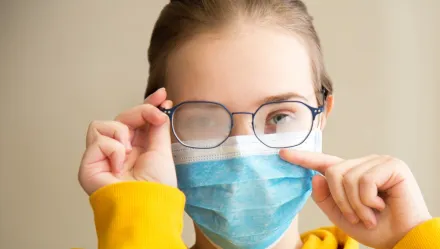
- Can cause prescription eyewear or safety glasses to fog up
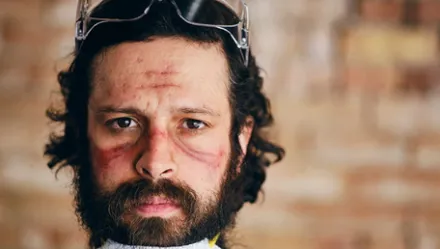
- Can lead to contact ear or skin irritation for some individuals
This isn’t new; we’ve known this for a while. BARDA and JLabs funded Taza Aya in 2020 to address these very same issues.
As individuals, each of us can make personal choices to lower our risk in a particular situation based on our own health status, our own risk tolerance, and the perceived risk of the situation itself (e.g., meeting in a conference room vs. joining the meeting virtually). For many people, though, going to work still means going to work. Remote work is not an option for:
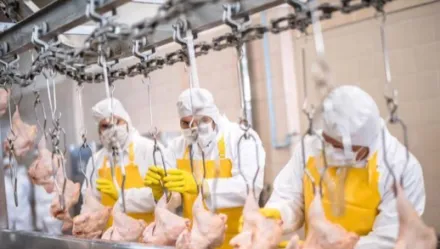
- Food processing plant workers
- Manufacturing and asssembly plant workers
- On-site/In-person customer service associates
There are 3 million individuals working on assembly lines and in production facilities in the U.S. alone. These jobs are characterized by frequent or extended periods in close proximity to co-workers and verbal, face-to-face communication - often at a raised pitch in order to be heard over backround noise. All of these factors are thought to increase the emission of infectious respiratory viruses and the chances that they will be inhaled by someone nearby. An OSHA report found that workers in meat processing plants had up to 70 times higher rates of COVID-19 than the average rate in the communities surrounding those plants. Standalone indoor air purifiers and centralized ventilation/air conditioning systems have difficulty addressing airborne viruses emitted at such close range.
Furthermore, there are many more people who long ago were resigned to continuing protective measures for themselves as the general public moved away from universal masking.